Cadillac’s F1 Debut: America Rolls Into the Paddock
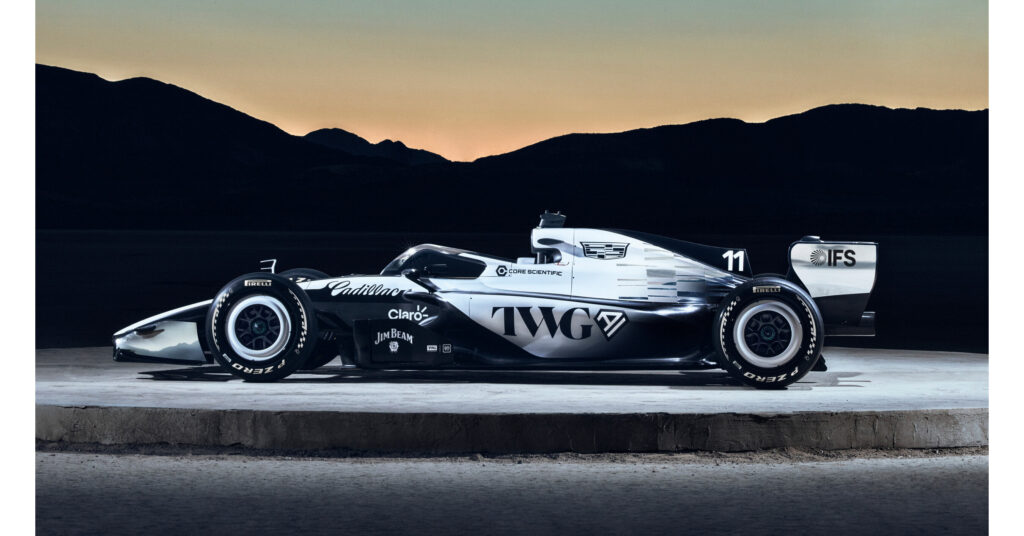
Cadillac’s arrival in the Formula 1 paddock this weekend feels like the end of a long runway—and the start of an even longer climb. On paper it’s “just” an 11th team joining the grid for the 2026 season, but the story behind it is bigger: a multi-year pursuit to get General Motors onto F1’s biggest stage, built around the Cadillac brand and a new operating structure with TWG Motorsports at the center.
The project’s roots trace back to the Andretti/GM push to enter F1, a campaign that evolved into today’s Cadillac Formula 1 Team after a reworked proposal and a fully resourced build-out. The leadership group reflects that “serious bid” posture. Dan Towriss is the CEO steering the overall program, with Graeme Lowdon installed as team principal—an operator with prior F1 team experience—tasked with turning ambition into race-weekend execution. On the technical side, Nick Chester is listed as technical chief, underscoring that Cadillac is not trying to show up as a marketing decal but as a functioning constructor with real chassis responsibility from day one.
What do they expect? Internally, the tone has been realistic: the hard part isn’t unveiling a logo or announcing a factory—it’s racing, learning, and iterating when the stopwatch starts judging every decision. Cadillac’s first season is about building operational muscle: strategy calls under pressure, pit stops that don’t hemorrhage seconds, correlation between sim and track, and a car that can be developed week to week. The glamour is new; the work is very old-school.
There’s also immediate context that makes this debut feel even sharper: Aston Martin’s early-season misery has been so severe—battery shortages and reliability chaos loud enough to threaten meaningful running—that Cadillac, even as a newcomer, won’t automatically be the grid’s punchline. If a team as established as Aston can be reduced to survival mode, it’s a reminder that 2026’s new era has teeth.
And then there’s the larger meaning: a truly American team in Formula 1, not merely American-owned but carrying an American automotive giant’s badge into the global arena. Cadillac’s presence is a signal to sponsors, engineers, and fans that the U.S. isn’t just hosting booming races—it’s committing industrially to F1’s future. The engine plan captures the compromise and the ambition. Cadillac will run Ferrari power units initially, but GM Performance Power Units has FIA approval to become a supplier starting in 2029—an explicit declaration that “customer team” is a phase, not an identity.
Their driver lineup reinforces that same intent: experience first, credibility first. Cadillac will race with Sergio Pérez and Valtteri Bottas, with Zhou Guanyu as reserve, and Colton Herta named as a test driver—an American thread, but not at the expense of proven Grand Prix craft. For a new team, that’s the clearest expectation-setting of all: learn fast, finish races, and build something that lasts.